
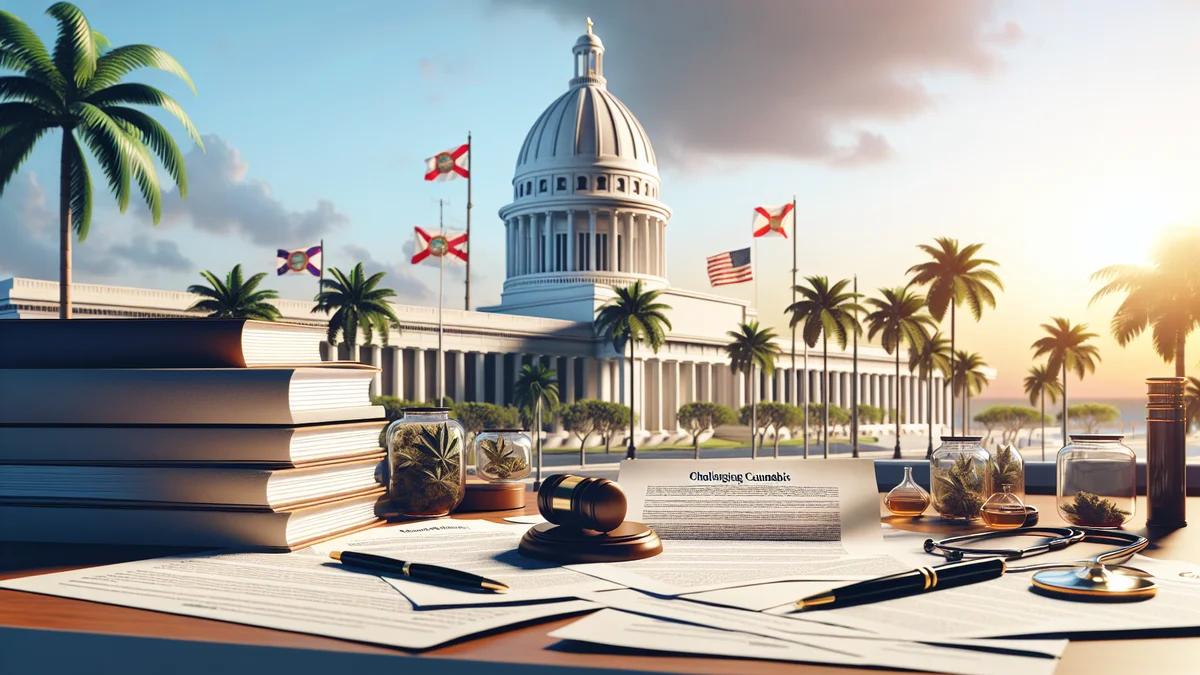
Florida AG Challenges Cannabis Legalization Over Odor Issues
State attorney general raises concerns about public scent impact

Florida Attorney General Ashley Moody has challenged the state's recreational cannabis ballot measure before the Florida Supreme Court, arguing that its prohibition on public consumption is misleading because marijuana odor could still affect public spaces.
The legal challenge seeks to prevent the measure from appearing on the ballot, though the Supreme Court has historically been reluctant to disqualify initiatives that meet signature requirements.
The Odor Argument
The proposed constitutional amendment prohibits smoking or vaping cannabis in public places—similar to restrictions in most states with legal cannabis. But Moody argues this is deceptive because odor from private consumption could drift into public areas.
Her brief contends that voters might be misled into thinking the measure fully addresses public consumption concerns when marijuana smoke from private properties could create "public nuisance" through odor.
Cannabis industry supporters note that similar arguments could apply to cigarette smoke, cooking odors, or other legal activities that create scents affecting neighbors.
Legal Standard
For the Florida Supreme Court to remove a ballot measure, it must find the language is affirmatively misleading—a high bar. The court has approved measures over attorney general objections in the past when the language met technical requirements even if the AG disagreed with policy implications.
The recreational cannabis measure qualified for the ballot with over 900,000 signatures—well above the approximately 900,000 required. Polls suggest majority support among Florida voters, though the initiative needs 60% approval to pass.
Political Dynamics
Governor Ron DeSantis and other Republican leaders have opposed the legalization measure, signaling a likely well-funded campaign against it if the Supreme Court allows it on the ballot.
Florida already has one of the nation's largest medical marijuana programs with over 750,000 patients. A successful recreational vote would create a market that industry analysts estimate could reach $6 billion annually—making it one of the largest in the country.
What's Next
The Supreme Court is expected to rule on the ballot language challenge in the coming months. If approved, both sides will wage campaigns ahead of the November vote.
For Florida's cannabis industry, the stakes are enormous. Existing medical operators are positioned to transition into recreational sales if legalization passes, but face uncertainty until the legal and electoral processes play out.
This article is based on original reporting by MJBizDaily.
Original Source
This article is based on reporting from MJBizDaily.
Read the original articleOriginal title: "Florida adult-use marijuana legalization stinks, state attorney general tells Supreme Court"
Related Topics
Related Stories
Illinois Doubles Cannabis Possession Limits, Brings Hemp Under State Control
Illinois lawmakers doubled adult-use possession limits to 60 grams and created a regulatory framework requiring intoxicating hemp products to be sold through licensed dispensaries.
Idaho Legislators Advance Constitutional Ban on Cannabis Initiatives
Idaho lawmakers approved ballot language for a constitutional amendment that would prevent voters from ever legalizing marijuana through citizen initiatives, a move opponents call an attack on direct democracy.
 Medical Cannabis
Legal Cannabis Linked to Drop in Opioid Deaths, New Analysis Finds
New analysis shows states with legal cannabis markets experiencing measurable drops in opioid overdose deaths, adding evidence for marijuana as harm reduction tool.
More from Alex Morgan
View all articlesIllinois Doubles Cannabis Possession Limits, Brings Hemp Under State Control
California Senate Panel Backs Drive-Thru Cannabis Sales Bill
Michigan Bill Would Redirect Opioid Funds to Psychedelic Research
