
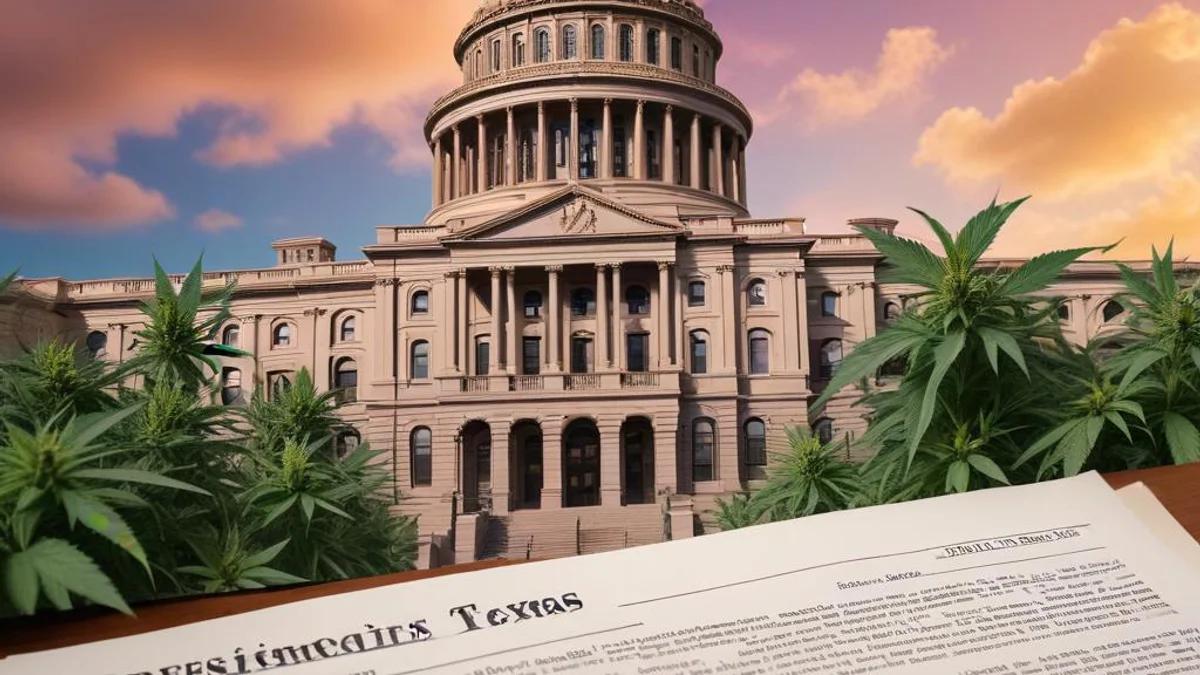
Texas Medical Cannabis Expansion Faces Key Hurdle
Growth is on the horizon, but hemp-derived THC poses a challenge

Texas lawmakers are preparing to expand the state's medical marijuana program, but one major regulatory question remains unresolved: how to handle hemp-derived THC products.
The issue has become a flashpoint as major cannabis operators prepare to enter the Texas market. While the medical program is set to grow significantly, the presence of unregulated hemp products complicates enforcement and market dynamics.
"We are committed to ensuring that our medical cannabis program remains robust and clear of any regulatory ambiguities," said a state senator involved in the legislation.
The Hemp Problem
Under the 2018 federal Farm Bill, hemp products containing less than 0.3% THC are legal nationwide. But many hemp-derived products on store shelves in Texas contain intoxicating levels of THC through chemical conversion processes or concentrated extracts.
These products compete with the state's tightly regulated medical cannabis program—but face none of the same testing, licensing, or oversight requirements. The result is a confusing marketplace where consumers can access high-THC products at gas stations while medical patients navigate a restricted program.
Industry analyst John Smith noted that "the increased demand for medical cannabis in Texas has attracted numerous companies eager to establish a foothold in the state"—but the regulatory uncertainty around hemp creates risk for those investments.
Program Expansion
Despite the hemp question, Texas has been steadily expanding its Compassionate Use Program. Originally limited to low-THC products for epilepsy patients, the program now covers conditions including PTSD, cancer, and chronic pain.
The THC cap has also increased, though it remains lower than in many other medical states. Additional dispensary licenses are expected to be issued, improving geographic access across the vast state.
What Needs to Happen
The legislature will need to address hemp-derived THC in its next session. Options include banning intoxicating hemp products, bringing them under the same regulatory framework as medical cannabis, or creating a separate oversight system.
Each approach has supporters and opponents. Some argue that restricting hemp products would eliminate consumer choice. Others contend that unregulated products undermine the medical program and create public safety concerns.
Until the issue is resolved, both medical cannabis operators and hemp product sellers face regulatory uncertainty.
This article is based on original reporting by MJBizDaily.
Original Source
This article is based on reporting from MJBizDaily.
Read the original articleOriginal title: "Texas medical cannabis finally poised to boom, but one major obstacle remains"
Related Topics
Related Stories
Hemp Industry Sues DEA Over HHC Ban in Federal Court Challenge
Hemp companies have filed federal lawsuits challenging the DEA's classification of HHC as an illegal Schedule I substance, arguing the synthetic cannabinoid should be protected under the 2018 Farm Bill's hemp provisions.
Kentucky Adds 15 Conditions to Medical Cannabis Program
Kentucky Gov. Andy Beshear expanded the state's medical marijuana program to include 15 new qualifying conditions via executive order while publicly supporting decriminalization efforts.
Medx Holdings Files for Federal DEA Cannabis Registration
Medx Holdings filed for DEA registration through its Lazydaze ABQ subsidiary, joining a select group of public companies seeking federal approval to handle medical cannabis as the industry awaits potential rescheduling.