
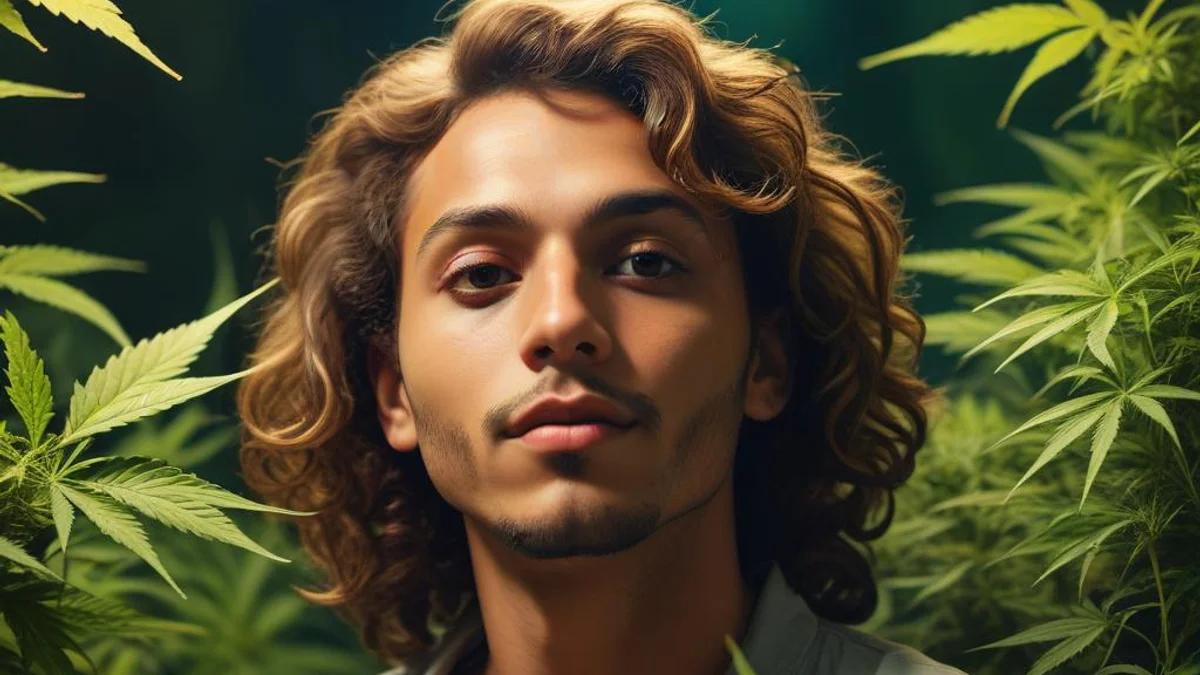
Vic Mensa Calls for Cannabis Industry to Preserve Cultural Roots
Hip-hop artist warns against corporate whitewashing as legal market expands

Hip-hop artist and cannabis entrepreneur Vic Mensa is pushing back against what he sees as the industry's tendency to sanitize its cultural origins as it moves into mainstream legitimacy.
The Chicago-born rapper, who has built a presence in the legal cannabis space, argues that the industry's rapid corporatization risks erasing the very communities and culture that normalized marijuana use long before legalization. As venture capital pours into cannabis startups and Fortune 500 companies enter the market, Mensa sees a disconnect emerging between boardroom decision-makers and the street-level culture that built the foundation.
It's a tension playing out across the $33 billion U.S. cannabis industry. While legal sales continue to climb—analysts project the market will reach $57 billion by 2030—equity advocates have consistently pointed to the absence of legacy operators and communities of color in ownership positions. In states like California and Illinois, social equity programs designed to address this imbalance have faced criticism for being underfunded and poorly implemented.
The Culture Gap
Mensa's argument centers on authenticity. Hip-hop culture has long celebrated cannabis, from Snoop Dogg to Wiz Khalifa, making it socially acceptable decades before state-level legalization began in 2012. Yet as the industry professionalizes, many of those cultural touchstones get stripped away in favor of clinical branding and pharmaceutical-style marketing.
The artist isn't alone in this critique. Several Black-owned cannabis brands have struggled to secure funding compared to their white-owned counterparts, even when helmed by industry veterans. A 2023 study found that less than 2% of cannabis business owners are Black, despite Black Americans being arrested for marijuana possession at nearly four times the rate of white Americans.
This disparity matters beyond optics. When corporations dominate an industry that once criminalized the same communities now being shut out, it creates what activists call "prohibition 2.0"—a legal framework that continues to exclude those most harmed by the War on Drugs.
From Underground to Mainstream
The challenge Mensa identifies isn't unique to cannabis. Hip-hop itself went through similar growing pains as it moved from underground culture to billion-dollar industry. Record labels signed artists while sanitizing content; brands appropriated aesthetics without crediting originators.
But cannabis faces additional complications. Unlike music, it remains federally illegal, creating banking barriers that disproportionately affect smaller, minority-owned businesses. Without access to traditional loans, many equity applicants can't compete with multi-state operators backed by institutional investors.
Several states have attempted fixes. New York's legislation reserved licenses for justice-impacted individuals. New Jersey created a separate application track for social equity candidates. Yet implementation has been messy, with delays and legal challenges hampering rollout.
What's Next
Mensa's call to preserve cannabis culture comes as the industry faces a critical juncture. Federal rescheduling discussions continue in Washington, with the DEA reviewing a proposal to move marijuana from Schedule I to Schedule III. If enacted, that change could unlock banking access and tax benefits—but it could also accelerate corporate consolidation.
The question is whether the industry can scale without losing its soul. Some entrepreneurs are trying hybrid models: professional operations that maintain cultural ties through community investment, hiring practices, and authentic brand storytelling.
Whether those efforts can counterbalance the momentum of corporate cannabis remains uncertain. But Mensa's message is clear: growth without acknowledgment of where you came from isn't progress—it's erasure.
This article is based on original reporting by mjbizdaily.com.
Original Source
This article is based on reporting from MJBizDaily.
Read the original articleOriginal title: "Vic Mensa: How to keep cannabis culture alive in the boardroom"
Related Topics
Related Stories
 Culture
Cannabis Drinks Step Into Alcohol's Social Role as Consumption Shifts
Cannabis beverages are replacing alcohol's social and cultural role as Americans rethink drinking habits, with THC drinks providing ritual and connection without the hangover.
Conan O'Brien's Two-Week Cannabis Gummy Experiment Highlights Stigma Shift
Conan O'Brien has been trying to eat one cannabis gummy for two weeks, managing only a quarter so far. His assistant's gentle encouragement and his cautious approach reflect changing attitudes toward cannabis in entertainment.
 Business
Social Equity Architect Calls Program a 'Trap' for Black Founders
Amber Senter, who created Oakland's pioneering social equity program in 2016, now says it funneled Black entrepreneurs into capital-intensive dispensary ownership while ancillary businesses offered better paths to success.
More from Alex Morgan
View all articlesSocial Equity Architect Calls Program a 'Trap' for Black Founders
Hemp Industry Sues DEA Over HHC Ban in Federal Court Challenge